By Savannah Beasley, Sarah Beth Thompson, and Wesley Porter
We had plenty of cold weather and below freezing temperatures this past winter. The near-term forecast shows that we are mostly out of the freezing temperatures, but you never know what will happen between now and Easter. Ideally, you properly prepared your irrigation systems for the winter and will not have many problems when you start them up for the first time. However, with the colder winter and temperatures across the region dropping into the teens, it is critical to start checking pivots before the planting season to help eliminate preventable problems during the season. We have already heard too many stories of leaks, broken nozzles, issues with pressure regulators, control valves not working and the list goes on from water freezing in the system during the cold temperatures. Checking pivots can become overshadowed by offseason projects and repairs; however, it is important to ensure proper maintenance to save time, money, and mitigate headaches when applying irrigation is crucial. Check the systems now so that you do not realize issues when irrigation applications are needed and critical for crop success. Unfortunately, we have been very dry since last summer and will need irrigation to aid in planting and seed germination if conditions do not change drastically soon.
- Ensure all engines are serviced.
- Change the oil, oil filter, fuel filter, air filter, and spark plugs, if applicable.
- Check for fuel line leaks.
- Grease drive shafts and service points.
- Pumps should turn freely and be properly lubricated.
- For surface water intake, check that the line and screen are clear.
- Repair leaks if needed.
- Inspect pipes, control valves, and close manual drains .
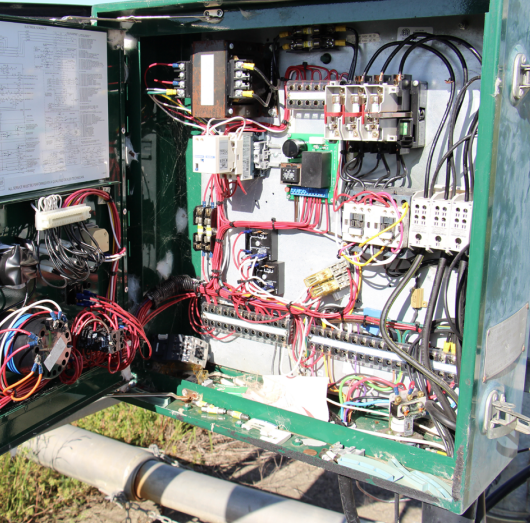
- When checking the electrical system, use proper safety procedures, never grab the door of the panel box with your hand, as it could be charged, always use the back of your hand or check first with a non-contact voltmeter.
- Check power connection is operational and that wires are not frayed, damaged, or burnt.
Once the start-up checklist has been completed, then move on to an operating checklist, which includes pressure, flow, sprinklers, end guns, and pressure regulators.
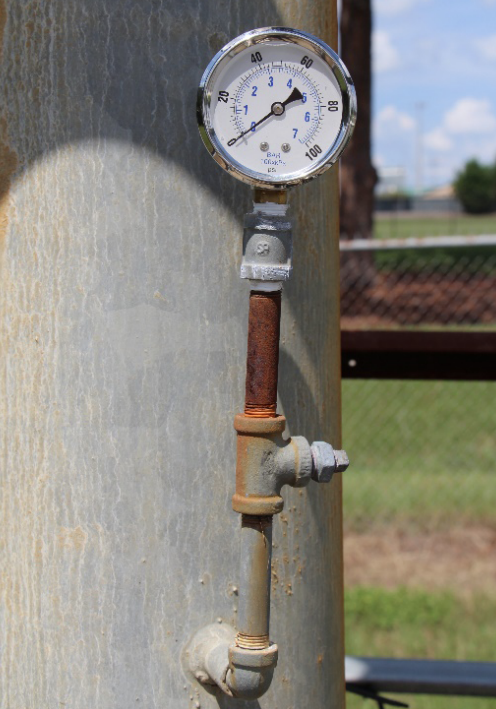
- Pressure should be checked with the end gun on, in use, and in the same location as the last time checked.
- Check the pressure at the pump as well as the pivot point and ensure that they match the manufacturers’ chart (conflicting pressures could be a sign of a problem).
- With water flowing, check the system flow rate at your installed flow meter and compare the manufacturers chart with the pivot fully functioning, including the end gun.
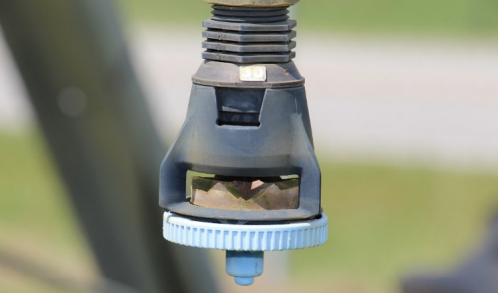
To check sprinklers, walk the length of the pivot and make note of malfunctioning nozzles.
- Also check for clogs, worn impact plates, and missing sprinklers.
- Fifty percent of the crop is irrigated by the last thirty percent of the pivot, so working sprinklers are crucial.
- If you have not performed a pivot uniformity test in 5 or less years, you should consider this, especially if you are visually seeing issues, and this is critical if you plan to do any sort of chemigation or fertigation.
- The end gun tends to be the most problematic with incorrect settings. Make sure the end gun is not clogged. A general rule to go by is to set the end gun at 10 and 3. Large areas are covered by the end gun, so proper settings are important to not over or under irrigate the area.

- Any pivots equipped with variable rate irrigation should be fitted with pressure regulators which should be compared to each other for even pressure. Replace missing, leaking, or malfunctioning regulators.
- Drain valves are designed to allow air to escape from pivot lines while filling, however stuck valves can cause excess water applications or will allow water to stay stuck in the pivot line.
- Replace or repair malfunctioning valves. Leaks are easy to identify but need to be repaired even if they seem minor.
- Pivots should have proper alignment with the towers, improper alignment can cause significant problems.
- Test pivot safeties and stops to ensure functionality as malfunctioning safeties and pivot stops can cause damage to the pivot or anything in its path.
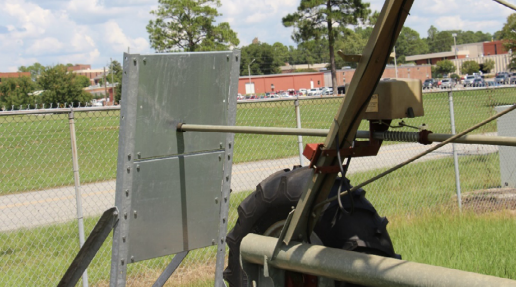
- Check for wear and tear on tires as well as pressure, tires tend to go flat in the winter.
- Remove drain plugs in gearboxes to allow condensed water to drain.
- Check oil levels and grease fittings on the driveline.
- Ensure driveshafts are in good operating conditions. Local irrigation dealers will have special gearbox oil for leakproof performance if necessary.
Pivot Point Checklist:
- Inspect anchor bolts and grease the pivot point.
- Test auto stop and auto reverse in the control panels.
- Ensure stops have not rotted or rusted to the point of not being activated by the sensor.
- Avoid applying water to roadways with the end gun, this can become a liability issue.
Chemigation/ Fertigation Checklist:
- For chemigation and fertigation, check the pump and safety equipment and calibration of the pump.
- Check hoses, seals, and backflow prevention valves are in good working order and compliant with the laws.
Pivot Uniformity:
- Uniformity tests are also something to be considered at this time of year.
- UGA has publications on performing your own pivot uniformity test but also offers this service for free.
- Uniformity tests will allow problems in the pivot to be pinpointed, especially if they cannot be seen by the naked eye.
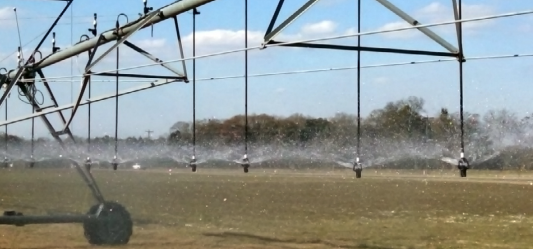
Thus, now is the time to ensure your irrigation system is up to acceptable operating standards, not when irrigation is required for the first time. If you have any questions about irrigation system maintenance or preparation for the upcoming season reach out to your local UGA Extension Agent.
